For years you've been told to eat well, manage your weight, reduce stress. Nobody explained the specific, evidence-based nutritional science that can directly restore ovulation, tackle insulin resistance and improve your fertility. The rename changes that conversation. Here's what you need to know.
PCOS Has a New Name — And It Changes Everything
If you've been diagnosed with PCOS, here's something you may have just heard — or may not have heard yet.
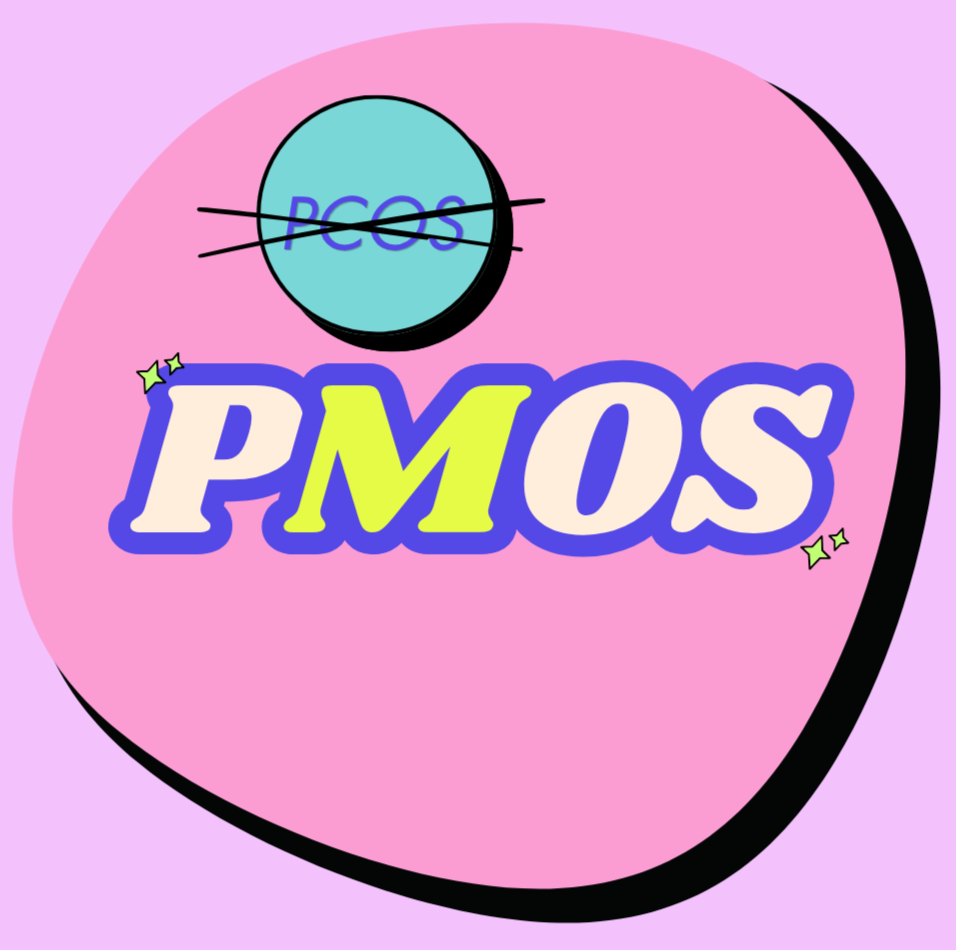
This month, after 14 years of global research and consultation with over 22,000 doctors, researchers and patients worldwide, PCOS has been officially renamed PMOS — Polyendocrine Metabolic Ovarian Syndrome — as published in The Lancet. The condition hasn't changed. But the name finally has.
Why The Old Name Was Broken
Polycystic ovary syndrome. The name told you this was about cysts. About ovaries. A gynaecological problem, dealt with by gynaecologists, managed with the pill or Metformin and sometimes not much else. Except many women with PCOS don't even have cysts on their ovaries, so the name was misleading from the start. But, more importantly — it completely missed what actually drives the condition for most women, which is why so many of you have sat in appointments feeling like something wasn't adding up. You knew it was bigger than your ovaries, and you were right.
What the Name Change Actually Means for You
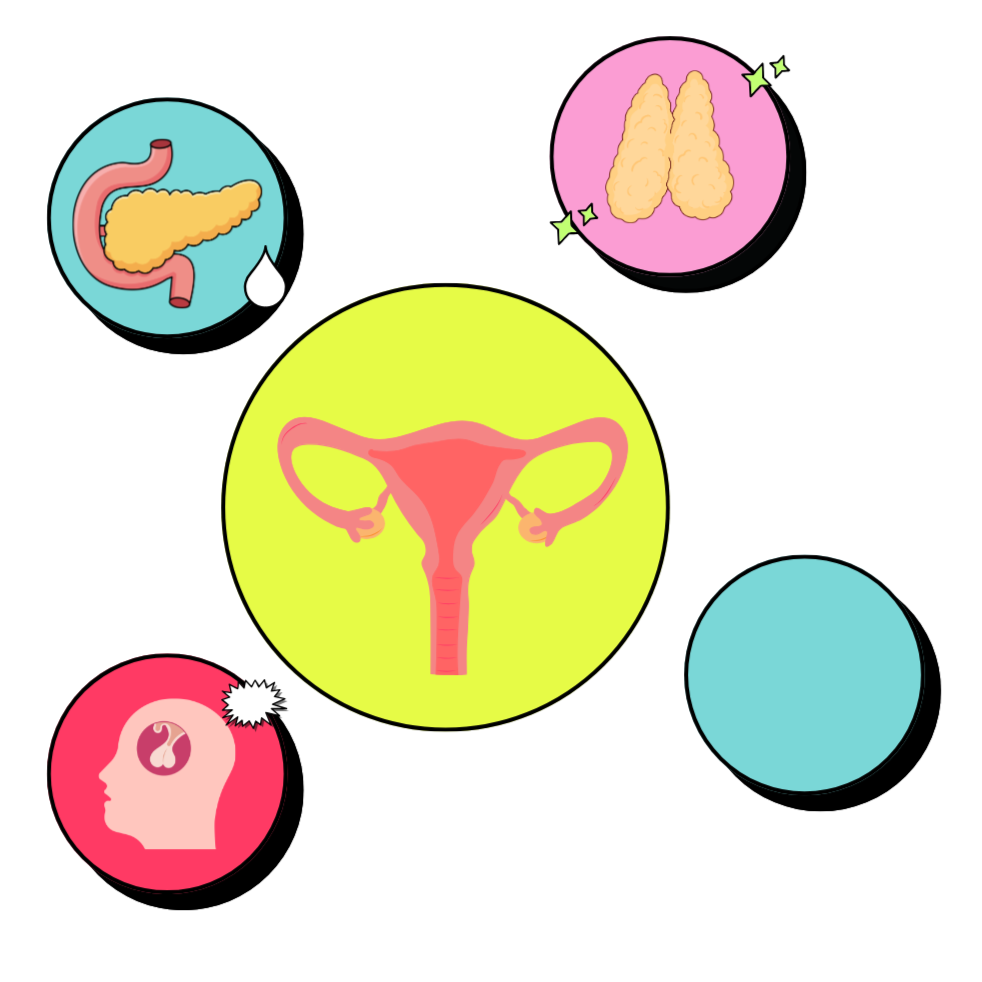
Breaking down the new name helps clarify why a change had to be made. P — Poly — multiple systems affected M — Metabolic — your metabolism is involved, specifically how your body handles blood sugar and insulin O — Ovarian — yes, the ovaries are affected, but they're downstream of everything else S — Syndrome — a group of symptoms that occur together, as opposed to a disease which has a known cause and distinct biological process.
For most women with PMOS, the root driver is insulin resistance — sugar isn’t getting out of the bloodstream as effectively. Insulin resistance causes the ovaries to produce excess testosterone (a type of androgen) and impairs ovulation (because insulin resistance also causes an effect in the ovaries that makes the pituitary gland make more LH and less FSH). This all leads to some of the classic androgenic symptoms of PMOS: hair loss, unwanted hair and cystic acne. It also drives inflammation which can drive depression, fatigue and can puts women at a much greater lifetime risk of other metabolic consequences of PMOS. It's not just an ovarian problem, and it never was, which changes everything about what you can actually do about it.
What most women are told:
"Lose weight and your symptoms will improve."
"The pill will regulate your cycle."
"Come back when you want to get pregnant."
"There's not much more we can do."
What the research actually shows:
Insulin resistance — the metabolic driver at the root of PMOS — responds directly and measurably to nutrition. Not in a vague "eat healthy" way. In a specific, evidence-based, targeted way that can shift your hormone levels, restore ovulation, reduce androgens and improve your chances of getting pregnant.
The relationship between insulin resistance, inflammation and appetite dysregulation, is what makes food such a powerful tool in PMOS treatment. And because it’s a syndrome, not a disease, a one size fits all isn’t going to work. Everything needs to be tailored.
The research here is truly exciting and it’s not a stretch to say that most of it never makes it out of academic journals and into the conversations women are having with their doctors.
What Nutrition Can Actually Do for PMOS
PMOS is fundamentally a hormonal and metabolic condition, which makes nutrition one of the most direct levers you have with the goal or resetting the disrupted hormonal signalling. But let's be specific because "eat well to balance hormones" is not useful. Side note, as popular as that expression is, it doesn’t even make sense because your hormones are literally meant to be fluctuate.
There isn’t one diet/lifestyle plan that’s shown to be universally effective for PMOS so again, things need to be personalised but this is a summary of what the evidence currently shows:
-
Blood sugar regulation has the potential to change everything. When you stabilise blood sugar and improve insulin sensitivity through diet, you directly reduce the insulin spikes that drive androgen production. Lower androgens means more regular cycles. More regular cycles means more predictable ovulation. More predictable ovulation means better fertility outcomes. This isn't theoretical. It’s what the research shows.
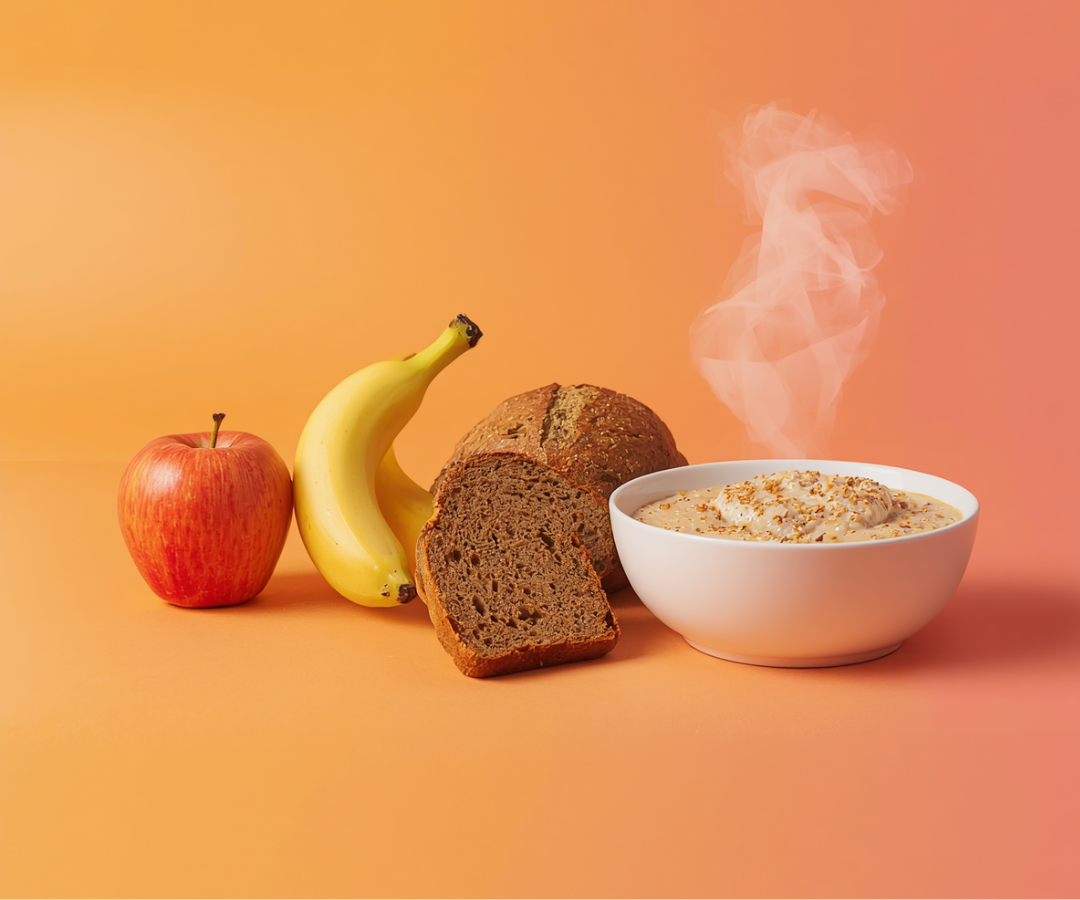
Low glycaemic index GI diets (meaning the carbs release their sugars more slowly) can reduce insulin resistance, fasting insulin, waist circumference and testosterone levels in women with PCOS. High GI diets are associated with ovulatory infertility. A low GI diet is effective for PCOS management but it’s also worth paying attention to the quantity of the carbs in addition to the quality. Eating more protein and whole grains can also help glucose metabolism.
-
What you eat can effect testosterone, which is a type of androgen. Specific dietary patterns have been shown to reduce testosterone levels measurably.
The Mediterranean dietary pattern in particular has significant evidence behind it for women with PMOS because of what it does to inflammation and insulin. Plus certain supplements and for some women, intermittent fasting.
-
Inflammation is part of the picture. PMOS has a significant inflammatory component that most treatment approaches don't address at all.
Anti-inflammatory nutrition — rich in omega-3s, fibre, legumes, unsaturated fats, specific antioxidants — can reduce this inflammatory load in ways that affect your symptoms from the inside out.
-
Ovulation can be restored and it’s most likely one of the most incredible things I see in clinic. A woman may very irregular periods and with dietary changes, we see the cycles gradually get closer together and for women trying to conceive, the goal is regular ovulation. Nutrition can genuinely make a real, measurable difference here — not as a replacement for medical care, but working alongside the support from fertility clinics.
Lower carbohydrate (without being no carb/super low carb) diets, plant based protein, low glycaemic load diets and inositol supplements are some of the nutrition tactics that can be employed to try and restore ovulation.
PMOS Nutrition Consultation
Take the science that’s finally on your side off this page and into your life.
Frequently Asked Questions
-
Yes — PMOS is the new official name for what was previously known as PCOS, announced in The Lancet in May 2026 following 14 years of global consultation involving 22,000 clinicians, researchers and patients worldwide. The condition itself hasn't changed — the new name better reflects that it's a whole-body hormonal and metabolic condition, not just an ovarian one.
-
Yes — and the evidence is genuinely strong. Nutrition directly affects insulin resistance, androgen levels, inflammation and ovulation — the core features of PMOS. It won't cure it, but for many women it makes a significant and measurable difference to symptoms, cycle regularity and fertility outcomes.
-
No. My approach is non-restrictive and evidence-based. Most women I work with are already eating reasonably well — they need clarity on what actually matters for their specific situation, not another list of things to cut out.
-
Absolutely. I support women with PMOS at all life stages — whether you're focused on managing symptoms, supporting long-term hormonal health, or preparing your body for pregnancy now or in the future.
-
Yes — this is a significant part of my work. Nutrition before and during IVF can support egg quality, hormone response and cycle outcomes. Read this post for more ideas on how nutrition can support the IVF process.
-
The internet gives you generic PCOS advice that may or may not apply to your specific situation. What I offer is personalised — built around your bloodwork, your history, your phenotype and your goals. The difference is significant.
90 Day Egg Quality Blueprint
Prepare your body before pregnancy step by step with these meal plans and shopping lists all done for you.